Why brands are betting on food trucks, and why that's good news for operators
Brands are using food trucks to put their products directly into people's hands, and independent food truck operators are getting paid to make it happen. A brand activation is a planned promotional event where a company hires a truck, its kitchen or its crew to serve, sample or showcase a product. For operators, that usually means a booked, paid day with the risk taken off the table.
I've been around food trucks for close to 17 years, and I still get a kick out of seeing a giant cheese wedge or a jet black coffee truck roll up to a curb. Somewhere behind it there's almost always a local operator who knows how to run a kitchen on wheels. That's the part I want more people to see.
Why do brands use food trucks for marketing?
Because a food truck does something a billboard can't: it hands you something to eat or drink, face to face, and then drives to the next neighborhood and does it again.
A truck is a storefront that moves. A brand can wrap it head to toe, park it where its customers already are and serve real product out of the window. People line up for food trucks anyway. Put a brand on the side and that line becomes the campaign.
Trucks also solve a problem marketers don't always see coming. Sampling food in public means permits, refrigeration, handwashing, prep space and people who know food safety. Food truck operators already have all of that. They deal with health departments, commissaries and tight curbside setups every week, so a brand gets a working kitchen and a crew that has done this a thousand times.
And it looks great on camera. A wrapped truck with a crowd around it is built for social posts, which is a big reason agencies keep coming back to the format.
Two recent food truck brand activations
Two recent campaigns show how different these can look, and how much of the work lands on local operators.
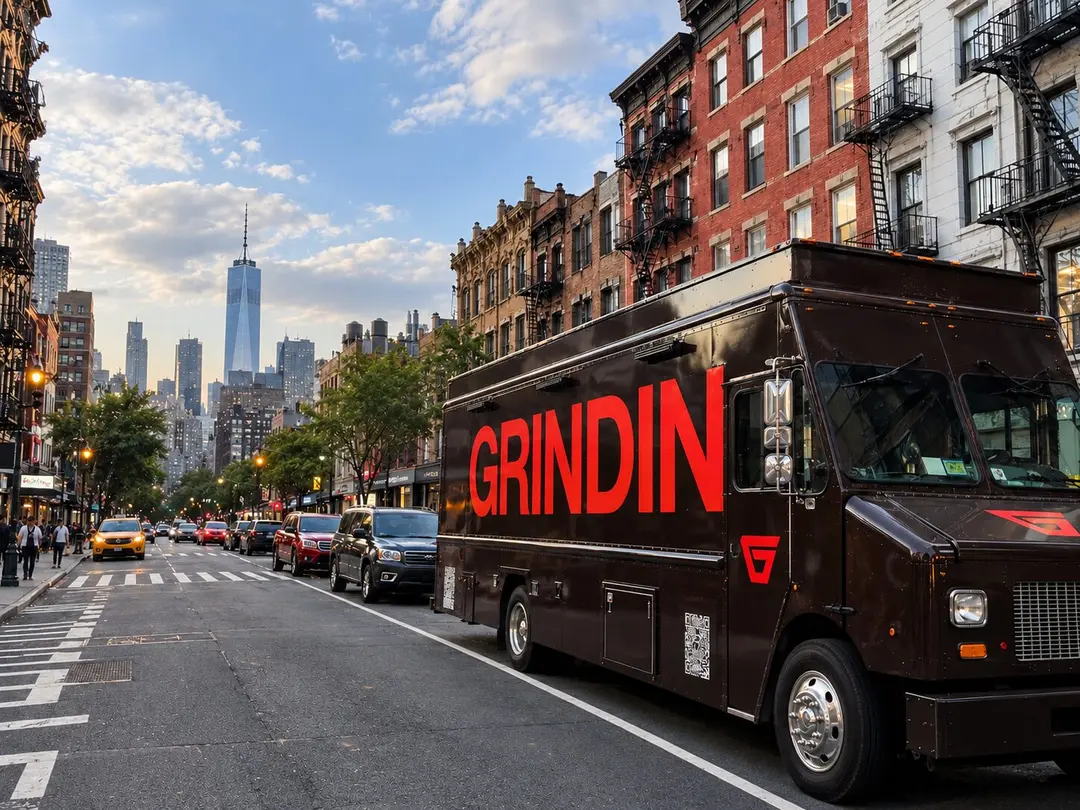
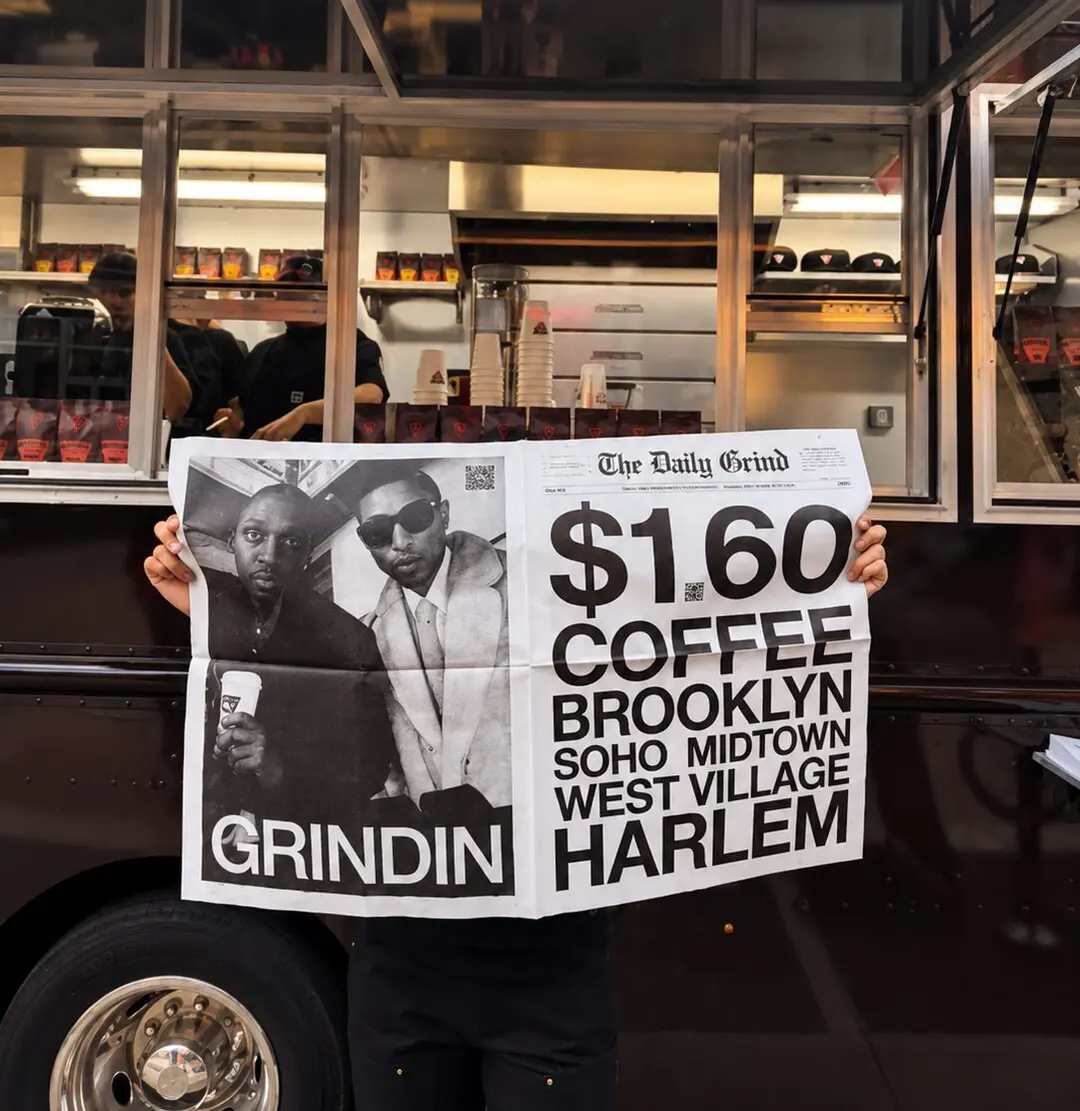
Grindin's mobile coffee shop in New York City. Black Sky Creative ran a coffee activation for Grindin and needed a truck that could work as a real coffee shop. A large truck from a New York operator's fleet got cleared out, with the warming equipment and hot water dispensers removed to make room for coffee gear. Then it was wrapped in Grindin's dark bodywork and red lettering. The operator worked alongside the agency's coffee team on installation and testing, and the plan built in commissary time, stocking and a daily truck reset.
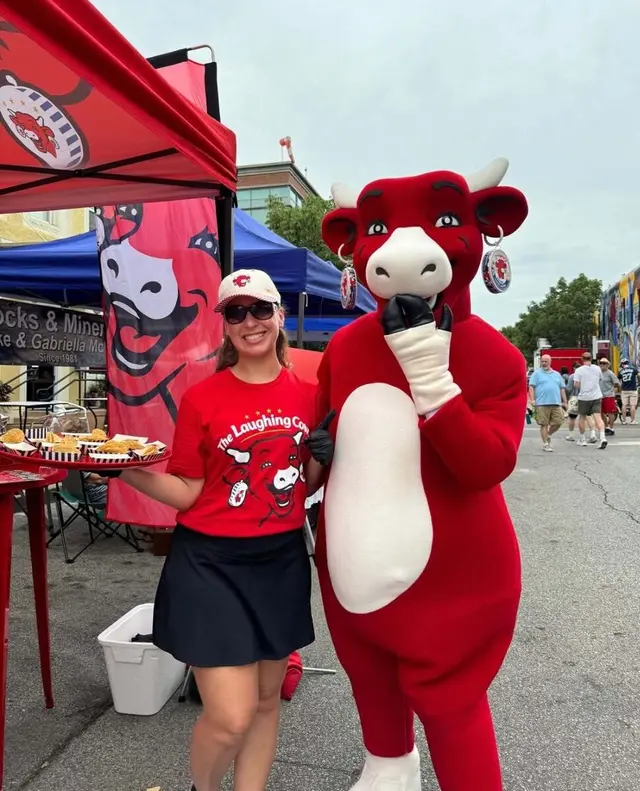
The Laughing Cow Wedgemobile tour. The Laughing Cow brought its branded Wedgemobile to Minneapolis, Bentonville and the Nashville area, with sampling run by the agency The Unicorns. The Wedgemobile isn't a kitchen, so local food vendors did the real food work: prep kitchens, refrigeration, culinary staff and, in the Nashville area, a vendor serving trays straight out of their own truck parked nearby.
In both cases the brand brought the idea. Local food truck operators brought the kitchen, the know how and the hands. Best Food Trucks coordinated the operator side on both projects.
Are brand activations profitable for food truck operators?
They can be some of the best days on an operator's calendar. A brand activation is usually a contracted, paid booking, so the operator isn't parked on a corner hoping enough customers show up to cover the day.
Here's why these jobs tend to pay off:
- The money is agreed up front. Weather, foot traffic and a slow lunch rush matter a lot less when the brand is the customer.
- Operators get paid for more than service. Prep kitchen time, refrigeration, equipment, culinary staff and the truck itself can all be part of the job, as they were on the Wedgemobile and Grindin projects.
- Food cost risk often shrinks. On sampling tours the brand frequently supplies the hero product. The Laughing Cow campaign team supplied the cheese, and local vendors handled the rest.
- The work repeats. Tours move city to city and agencies reuse operators who deliver. One good activation can turn into the next one.
The skills that win these jobs are the ones good operators already have: current permits and insurance, a reliable commissary, a clean truck, food safety discipline and the ability to adapt a setup to whatever site you're handed. Answer fast, show up early and make the agency's day easier. That's how you get the call back.
I love this for our industry. For years, people treated food trucks as a novelty. Now brands are paying independent operators for exactly what they're good at.
If you're an operator who wants to land work like this, join the conversation in the NFTA community Facebook group or get in touch with us.
FAQ
What is a food truck brand activation?
A food truck brand activation is a promotional event where a company uses a food truck, often wrapped in its branding, to serve, sample or showcase its product directly to the public. The brand or its agency hires the truck, operator and crew for the event.
How do food truck operators get paid for brand activations?
Operators are usually paid a contracted fee for the booking rather than relying on day of sales. Depending on the job, that can cover the truck, prep kitchen time, refrigeration, equipment and culinary staff.
Do brands use their own vehicles or hire food trucks?
Both. Some brands build a custom vehicle, like The Laughing Cow Wedgemobile, and hire local operators for the food work. Others, like Grindin in New York City, rent an operator's truck and wrap it for the campaign.
How can a food truck operator get booked for brand activations?
Keep permits, insurance and commissary arrangements current, document your truck and setup with good photos, and respond quickly to inquiries. Agencies rebook operators who are reliable and flexible on site.
Why are food trucks good for experiential marketing?
Food trucks come with a working kitchen, a trained crew and experience handling permits and food safety. They can park where customers already gather, and a wrapped truck draws a crowd and photographs well.
About the author: Matt Geller is the founder of the National Food Truck Association and the CEO and Co-Founder of Best Food Trucks. He has spent nearly 17 years working in food trucks and mobile food advocacy, starting in 2010 when he founded the Southern California Mobile Food Vendors Association. He also founded Revolution Carts, which builds sidewalk vending carts.
Matt holds a JD from UCLA School of Law. He co-authored "The New Food Truck Advocacy" in Nexus at Chapman University School of Law.
Keep Reading
All Stories →Karen Bass Says LAPD Will Stop Citing Street Vendors. She Also Personally Signed Off on a Cart Program That Still Hasn't Delivered.
Bass's office says LAPD will stop citing street vendors. Enforcement had already been paused since April. Meanwhile, the $2.8M cart program she signed still hasn't delivered.
Mayor Bass Just Told Los Angeles Mobile Food Vendors They Do Not Belong. Los Angeles Already Settled That in 1979.
Mayor Karen Bass said mobile food vendors do not belong in front of restaurants. Los Angeles passed that exact ordinance and a California court struck it down in 1979.
How Much Does It Cost to Book a Food Truck for a Corporate Event in 2026?
National pricing data from 269 corporate catering bookings: average cost per person, cost by event size, and cost by market for food truck catering.